
Answer Engine Optimisation (AEO), which prioritises structured, direct answers for AI search tools, is increasingly vital as traditional SEO alone may drive less organic traffic in 2026 without AEO strategies.
Google has confirmed that AI-powered search experiences increasingly surface answers directly on the results page, reducing reliance on traditional blue-link clicks and elevating the importance of structured, extractable content.
In fact, a report by McKinsey & Company suggests that by 2028, AI-generated search summaries are projected to appear in over 75% of all search queries, shifting the search landscape from traditional rankings to answer-centric visibility.
Amidst the chaos triggered by Google’s AI Mode and declining top-of-funnel performance, we asked a different question:
“What if the fastest path to growth wasn’t more traffic, but more meaningful traffic?”
For this eCommerce brand, our focus wasn’t to rank for the most popular keywords. It was to dominate highly transactional, low-competition, AEO/GEO-ready keywords and convert that intent into revenue. The results speak for themselves.
Results (YoY)
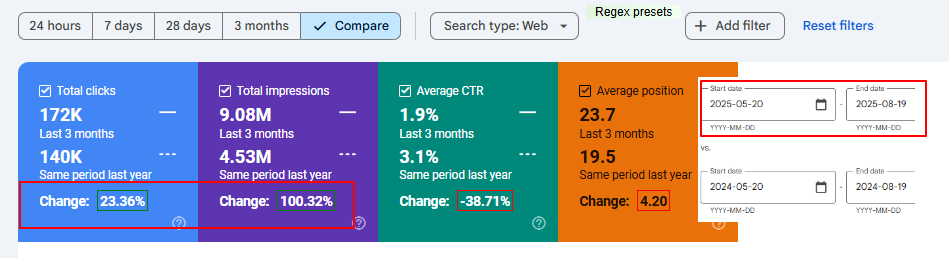
- Total Clicks increased by 23.36%.
- Total Impressions grew by 100.32%.
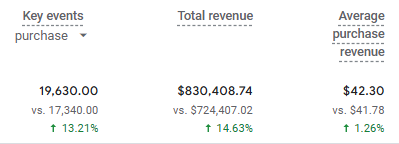
- Total Revenue saw 14.63% growth.
- Total Purchases saw a 13.21% growth.
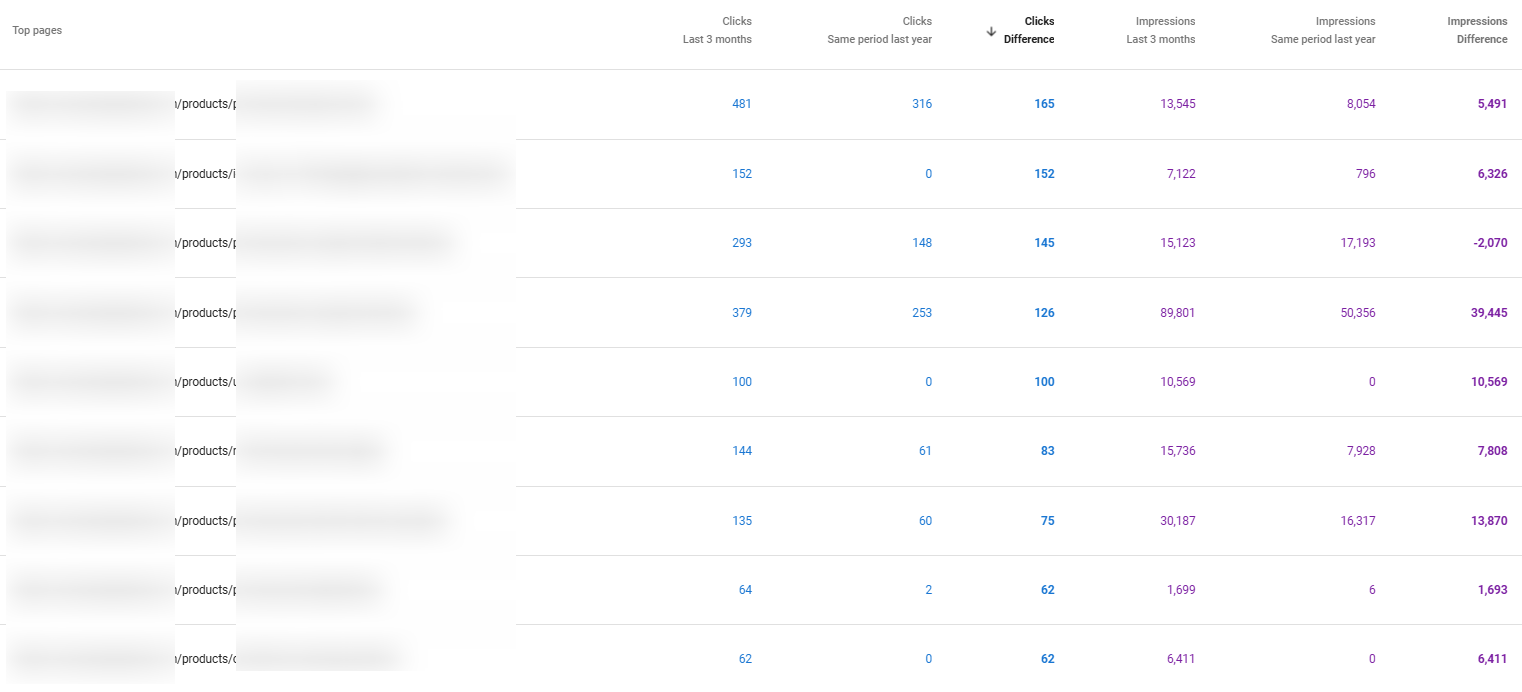
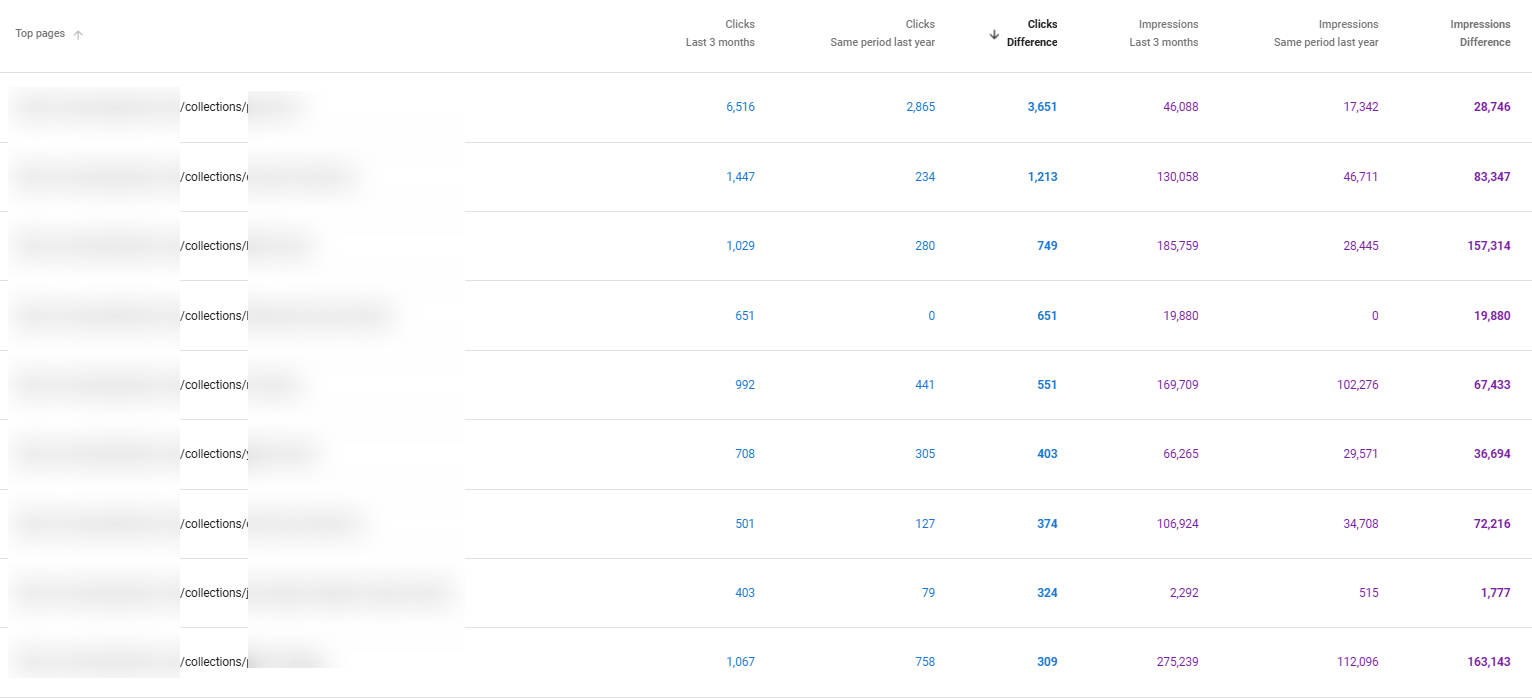
- Top product pages recorded click growth of 145–300+, even with only basic optimisations.
Strategy Breakdown
- Focused on Bottom-Funnel AEO/GEO Keywords (McKinsey research shows that high-intent, decision-stage searches convert up to 3× more effectively than early-stage discovery queries, reinforcing the value of bottom-funnel optimisation over volume-driven traffic.)
- Mapped purchase-stage intent into highly specific keyword variations.
- Shifted content and metadata to better serve Answer Engine Optimisation (AEO) and Generative Engine Optimisation (GEO) formats, making content ready for AI search tools and shopping assistants.
- Built New Collection & Product Pages Strategically
- Created collections that aligned with high-intent queries like “buy [product] for [occasion]” and “best [product type] under $X.”
- Optimised each with entity-rich descriptions, image metadata, and structured schema to enhance AI visibility.
- Optimised for AI Mode and Zero-Click Readiness (Industry data shows that a growing share of ecommerce discovery now happens in zero-click or preview-based environments, making concise summaries and pricing cues critical for conversion influence.)
- Used semantic clustering to improve how product pages answered direct questions.
- Ensured every core page had concise, factual summaries and pricing cues ideal for AI snippets.
- Performance-First Content Updates
- Repurposed older blog posts that showed seasonal interest, rewrote intros, and included clear CTAs to product pages.
- Prioritised loading speed, UX, and schema for pages where AI-mode previews were likely.
The takeaway?
In the era of AI search, content saturation, and shrinking attention spans, ranking isn’t enough.
You need to rank where it matters. And for people who are ready to buy.
This case study proves that with the right AEO/GEO frameworks, you don’t need to chase the most traffic. You need to chase the most valuable traffic.
For more AEO/GEO case studies, visit us at https://www.growth.pro/seo-case-study